


Skip to content
Farnham, Surrey 01252 979 687

Damp, Mould & Condensation

Help prevent and manage common issues in your home.

What causes damp and mould?

Damp and mould are among the most common issues in rental properties, particularly during colder months. In many cases, these can be prevented or reduced with a few simple steps.

This guide explains the difference between damp and condensation, how to minimise the risk, and what to do if you notice a problem.

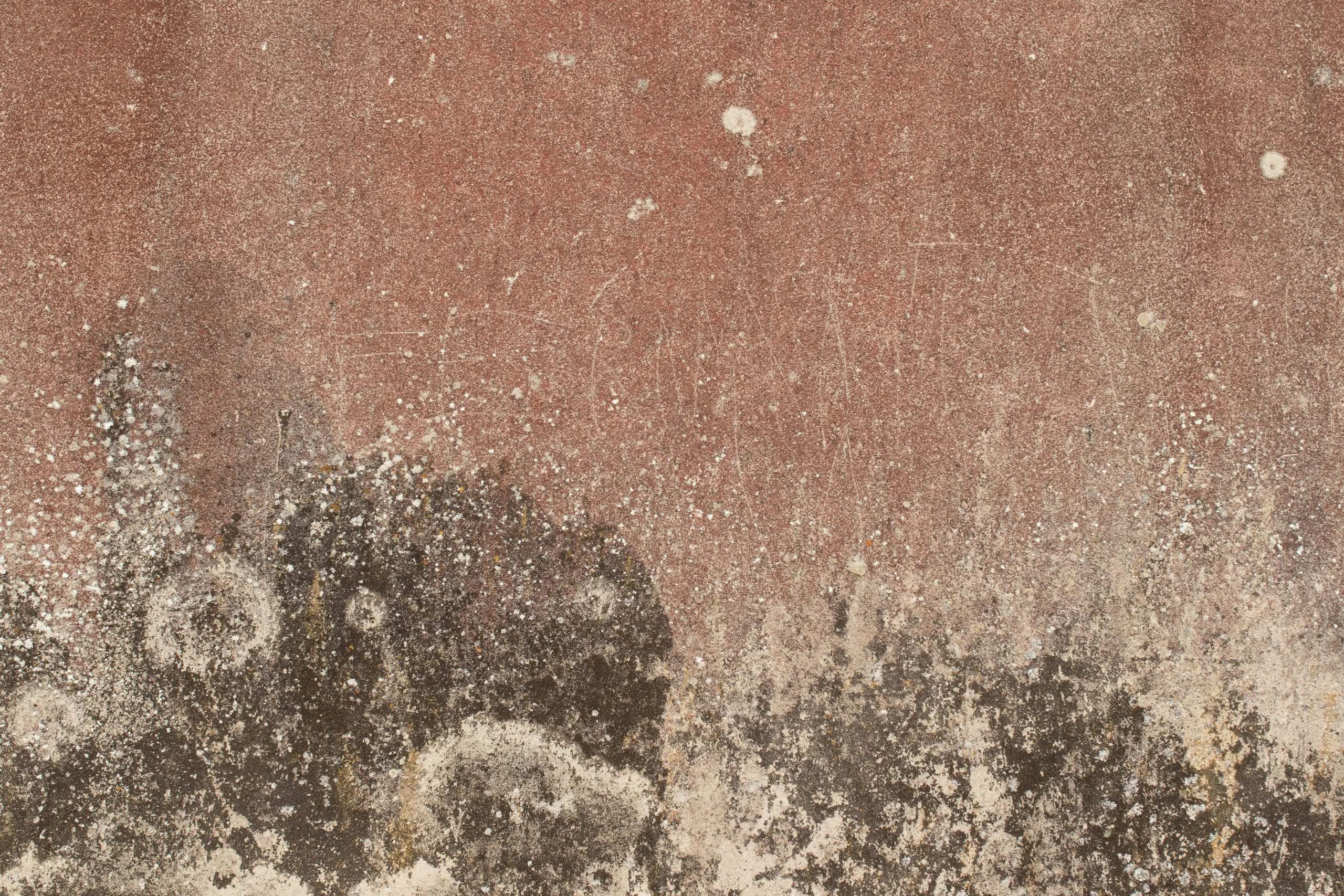
What’s the difference between condensation and damp?

Condensation is caused by moisture in the air settling on cold surfaces such as windows and walls. This is the most common cause of mould in homes. It is often linked to everyday activities such as cooking, showering and drying clothes indoors.

Damp is usually caused by structural issues, such as leaks or problems with the building itself. If you suspect damp rather than condensation, it’s important to report this as soon as possible.

How to reduce condensation

  • Keep your home well ventilated by opening windows regularly
  • Use extractor fans when cooking or showering
  • Keep internal doors closed when generating moisture
  • Avoid drying clothes on radiators where possible
  • Maintain a consistent level of heating throughout the property

These steps help reduce moisture build-up and prevent mould from forming.

What to do if you notice mould

  • Wipe it away using appropriate cleaning products
  • Improve ventilation in the affected area
  • Continue to monitor the situation

If the issue persists or worsens, please report it so we can investigate further.

Need to report a problem?

You should report the issue if:

  • Mould continues to return despite taking preventative steps
  • There are signs of leaks, water ingress or damage
  • The affected area is spreading or becoming more severe

If your property is managed by LK: Report the issue through our maintenance reporting system.

If your property is managed by the landlord: Please contact your landlord directly.

Download our full guide

For more detailed advice, including practical tips and examples, you can download our full damp and condensation guide below.